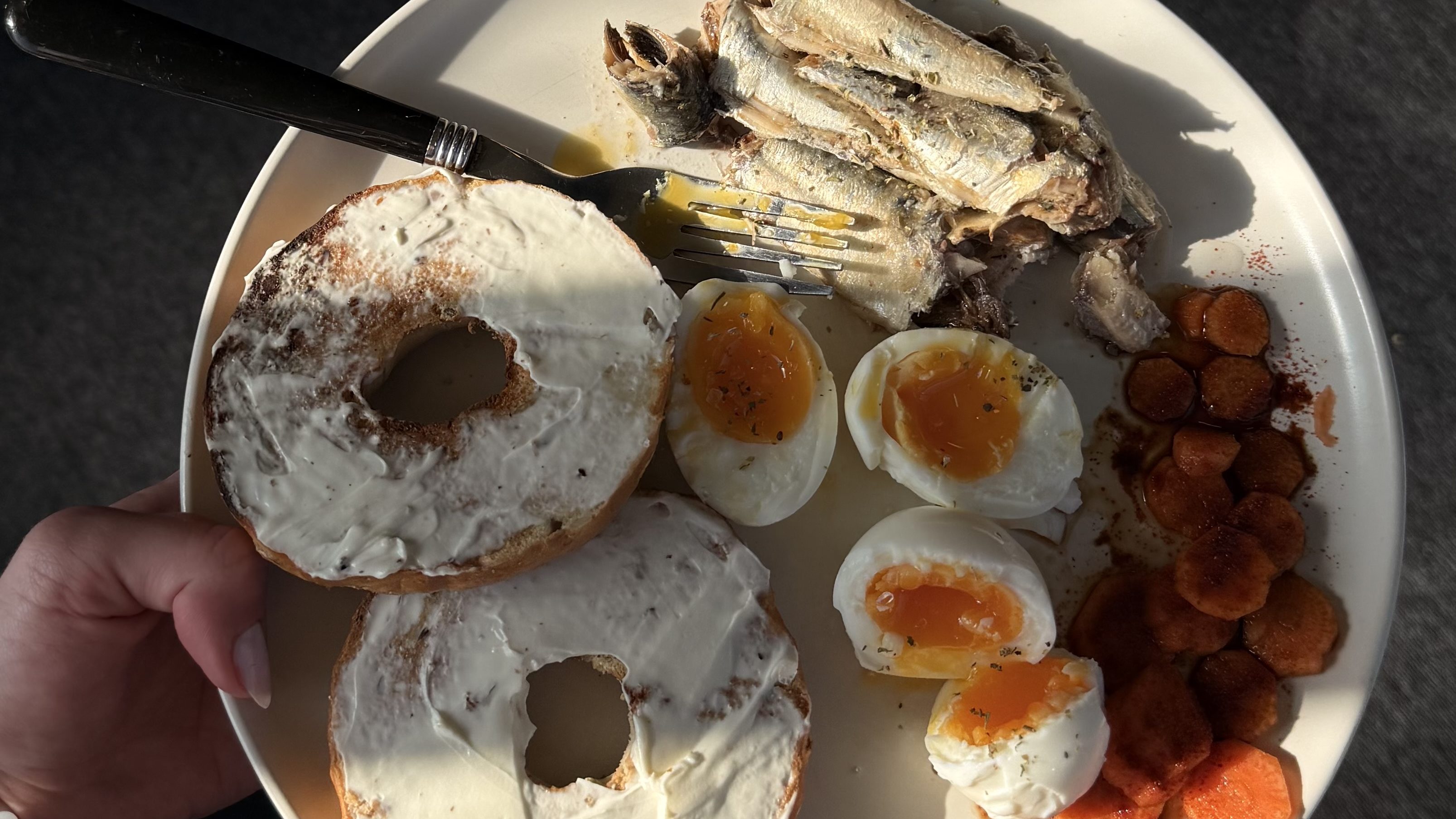
If you’ve ever tried to eat foods for clear skin, you’ve probably been told to live on $14 smoothie bowls, collagen powders with spiritual branding, and a level of inner peace that is frankly unrealistic during exam season.
Meanwhile, you still want to hit your protein, afford groceries, and not have your skin declare war on you every time you inhale a whey shake and three cereal bars.
So this is the practical version: science-backed foods and habits for clear skin, while still making sense for active women on a budget. Not magical. Not perfect. But useful. The strongest evidence is around lower-glycemic eating patterns, some dairy and whey associations in acne-prone people, and a generally plant-rich diet that supports skin appearance over time.

First: what the science actually says
If your main goal is clearer skin, the most evidence-backed diet change is usually improving the overall quality of your diet, especially by lowering the glycemic load of your meals if you’re acne-prone. Reviews and dermatology guidance consistently say lower-glycemic diets can help reduce acne lesions in some people.
There’s also evidence that cow’s milk may be associated with acne in some people, while yogurt and cheese don’t have the same level of evidence for worsening breakouts. And if you’re breaking out suspiciously hard after starting gym supplements, whey protein is worth paying attention to, because recent research and prior reviews suggest it may be linked with acne in some acne-prone individuals.
For the “glow” side of things, the honest science is less dramatic but still interesting: diets richer in fruit, vegetables, and carotenoids are associated with better skin appearance and support against photoaging, largely because carotenoids act as antioxidants and accumulate in the skin. That means the boring advice your mum would give you about eating your greens is worth following.
The best high-protein foods for clear skin
1. Greek yogurt or skyr
This is one of the easiest cheap protein wins if eggs are boring you to death. It’s high in protein, affordable in many supermarkets, and importantly, the strongest acne concern in dairy research is with milk, not necessarily fermented dairy like yogurt. The American Academy of Dermatology notes that studies have not found yogurt or cheese to increase acne breakouts. That doesn’t mean they’re automatically perfect for everyone, but it does make them a more reasonable protein option than pretending all dairy is evil.
2. Chicken, turkey, and canned fish
These are the least glamorous but most effective foods for macros and clear skin. Plain protein foods like chicken breast, turkey, tuna, sardines, mackerel, and salmon help you keep protein high without relying on ultra-processed sweet snacks or whey-heavy bars. Oily fish also bring omega-3 fats, which are being studied for anti-inflammatory effects relevant to acne and skin health, although the evidence is still developing rather than definitive.
3. Beans, lentils, and chickpeas
These are incredibly underrated for this topic because they pull double duty: protein + fiber + lower-glycemic carbs. If your diet is currently beige foods, legumes are one of the cheapest ways to make meals more blood-sugar-friendly, which matters because lower-glycemic eating patterns have the best evidence for acne improvement.
4. Carotenoid-rich veg
Because carotenoids like beta-carotene and lycopene are consistently discussed in the skin-health literature for their antioxidant and photoprotective roles. Translation: if you want “eat your skincare”, eat more carrots, sweet potatoes, spinach, kale, tomatoes, and peppers. They won’t replace sunscreen, but they do support skin health in a real, evidence-based way.
5. Oats and other lower-glycemic carb bases
If your current breakfast is something that tastes like frosting and causes you to get hungry again 40 minutes later, this is your sign. Oats, beans, lentils, and more balanced carb sources can make it easier to keep meals lower glycemic, which is exactly the pattern most consistently linked with skin improvement. You do not need to fear carbs. You just maybe don’t need to build your entire diet out of sugar.

Foods and habits worth cutting down on if your skin hates you
This is not the part where I tell you to never eat anything fun again. Don’t Worry.
1. Frequent high-glycemic meals
Think the classic cycle of sweet cereal, biscuits, juice drinks, white toast with nothing substantial on it, then wondering why you’re starving and annoyed by 11am. Higher-glycemic dietary patterns are one of the most consistently discussed acne triggers in the literature, while lower-glycemic approaches are associated with fewer lesions in acne-prone people.
2. Whey protein, if you notice a pattern
Not everyone breaks out from whey. But enough evidence exists that if your skin got dramatically worse after starting whey, it’s not a foolish theory. You don’t need to become anti-protein-shake. Just consider trialing another protein source if you’re acne-prone and suspicious.
3. A lot of cow’s milk, if you’re breakout-prone
Again, not for everyone. But the current evidence is more suggestive for milk than for yogurt or cheese. So reduce milk first rather than throwing every dairy product into the sea.
What to eat instead: budget-friendly skin-friendly swaps
If you’re active and trying to stay high-protein without trashing your budget, the move is not “eat less.” It’s “make your protein and carbs less chaotic.”
Try:
- skyr or Greek yogurt bowls with oats, berries, and nuts
- chicken, rice, and roasted veg instead of random meal-deal roulette
- lentil pasta with tuna and tomato sauce
- baked potatoes with cottage cheese and side salad
- sardines with eggs and tomatoes
- bean-heavy chilli with extra mince or soy mince
- overnight oats with yogurt instead of a sugar-bomb breakfast bar
That kind of pattern keeps protein high while nudging your diet toward the lower-glycemic, more plant-rich approach that fits the evidence best.

The “eat your skincare” habits that are actually worth it
Eat protein with carbs instead of eating naked carbs and acting surprised when your energy and hunger go feral. Favor more whole foods and more colorful plants over trying to identify one miracle ingredient. If you’re acne-prone, consider a 2–6 week experiment with less milk and less whey, while keeping your calories and protein sensible. And please keep your expectations normal: food can support skin health, but it is not a replacement for actual dermatology, sunscreen, or sleep.
Final thoughts
If you want clearer-looking skin on a student budget, the goal is not to build a diet around fantasy wellness content. It’s to make your normal meals a bit more skin-friendly: more lower-glycemic meals, more carotenoid-rich fruit and veg, enough protein from whole foods, and some honest observation around milk and whey. That is much less exciting than a collagen gummy ad, but unfortunately much more useful.
If you want more ideas, check out our guide on:
The Cheapest High-Protein Foods (Ranked by Cost per Gram)
If you liked this blog post, have an inquiry, or would like to give us suggestions of what you would like to see next, let us know by contacting twogirlsonekitchenblog@gmail.com.
Join our newsletter if you would like to see more posts like this and want early access to our digital products coming soon.
Leave a Reply