If you’re searching for anti inflammatory diet recipes that actually fit student life, the biggest challenge usually is not motivation; it’s time, money, and energy.
When you’re juggling lectures, workouts, coursework, part-time work, and a tight food budget, it is easy to end up relying on random snacks, expensive takeaways, or “healthy” recipes that use a long list of ingredients you will only buy once. The good news is that anti-inflammatory eating does not need to be expensive or complicated. In practice, it usually looks a lot like a balanced, plant-forward eating pattern built around vegetables, fruit, beans and lentils, whole grains, nuts and seeds, olive oil, and fish when you can afford it. That overlap is one reason Mediterranean-style eating patterns are so often discussed in this space.
For active students, the sweet spot is simple: meals that are affordable, filling, easy to batch cook, and built from ingredients you can find in any normal supermarket. The recipes below are designed with exactly that in mind.
If you’re trying to eat healthy after training, check out our top 12 cheapest high-protein groceries for students.
What does “anti-inflammatory” actually mean?
There is no single miracle ingredient that makes a recipe anti-inflammatory. What matters more is your overall pattern of eating.
Harvard Health highlights foods commonly associated with anti-inflammatory eating, including tomatoes, olive oil, leafy green vegetables, nuts, fatty fish, berries, and citrus fruit. The NHS Eatwell guidance also supports the same broad direction: eat plenty of fruit and vegetables, base meals on higher-fibre starchy carbohydrates, include beans, pulses, fish, eggs and other proteins, and choose unsaturated oils in small amounts.
One important reality check: it is not a cure-all, and it is not a substitute for medical treatment. For some conditions, NHS materials explicitly note there is no single specific anti-inflammatory diet that treats the disease itself, even if healthy eating can support symptoms or overall health.
So the simplest answer is: it can help lower chronic inflammation risk and support overall health, especially heart, metabolic, and possibly joint health, but it works best as a long-term eating pattern rather than a quick fix.
That means a student-friendly anti-inflammatory approach can be built from low-cost foods like:
- oats
- brown rice
- wholegrain pasta
- canned beans and lentils
- eggs
- plain yogurt
- frozen berries
- frozen spinach
- carrots
- onions
- olive oil
- tinned sardines, mackerel, or tuna
You do not need expensive powders, wellness shots, or niche “superfoods” to make this work.
How to make anti inflammatory diet recipes affordable
The easiest way to keep costs down is to focus on overlap. Buy ingredients you can use in multiple meals during the week instead of shopping for totally different recipes every day.
A budget-friendly formula that works well is:
1 grain + 1 protein + 2 plants + 1 healthy fat
For example:
- brown rice + chickpeas + spinach and cucumber + olive oil
- oats + yogurt + berries + chia or flax
- wholegrain pasta + lentils + tomatoes and greens + olive oil
This keeps your meals simple, balanced, and easier to repeat.
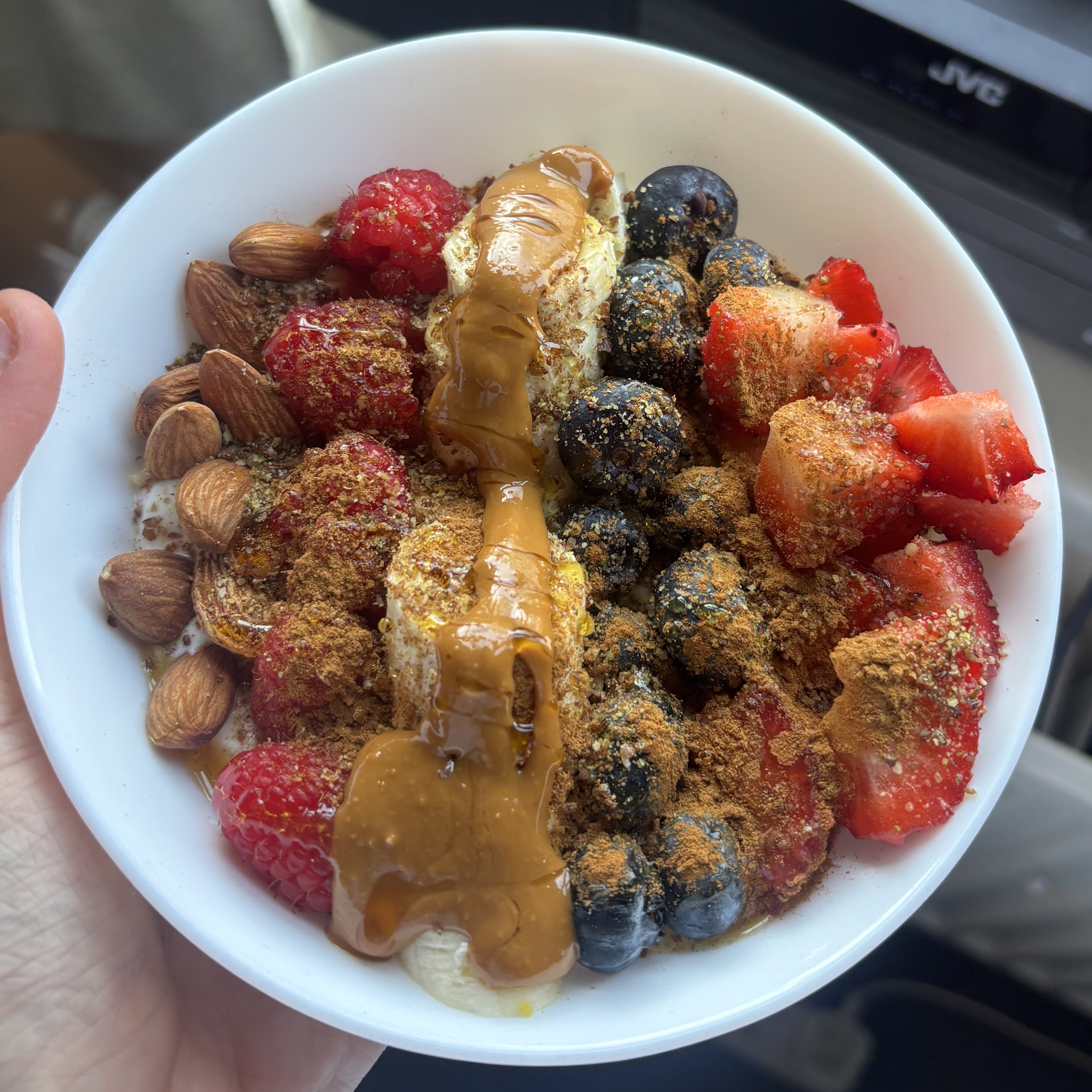
1) Berry Oatmeal/Granola with Chia and Peanut Butter
This is one of the best anti inflammatory diet recipes for mornings because it is cheap, fast, and made from ingredients that store well.
Ingredients
- 1 cup rolled oats
- 2 cups milk or fortified plant milk
- 1 cup frozen berries
- 1 tablespoon chia seeds
- 1 tablespoon peanut butter
- cinnamon
Method
Cook the oats with the milk, stir in the berries, then top with chia seeds, peanut butter, and cinnamon.
Why it works
Oats, berries, and seeds fit neatly into the plant-rich eating patterns most often associated with anti-inflammatory diets. Harvard specifically includes berries among anti-inflammatory foods, and also points to fibre-rich foods such as legumes and whole grains as useful foundations.

2) Lentil Tomato Pasta
This is a strong budget dinner for active students because it is high in fibre, easy to batch cook, and far cheaper than a lot of meat-based meals.
Ingredients
- 250 g wholegrain pasta
- 1 tablespoon olive oil
- 1 onion, diced
- 2 garlic cloves, minced
- 1 can lentils, drained
- 1 can chopped tomatoes
- 2 handfuls spinach
- dried herbs and black pepper
Method
Cook the pasta. Soften the onion in olive oil, add garlic, lentils, and tomatoes, then stir in spinach and combine with the pasta.
Why it works
This recipe combines whole grains, legumes, tomatoes, leafy greens, and olive oil – a very practical mix for anyone trying to eat in a more anti-inflammatory way.
3) Chickpea Rice Bowls with Lemon Yogurt
A great meal-prep option when you want lunches ready for the next two or three days.
Ingredients
- 2 cups cooked brown rice
- 1 can chickpeas
- 1 cucumber, chopped
- 1 carrot, grated
- 1 cup plain yogurt
- 1 tablespoon olive oil
- lemon juice
- garlic powder, salt, pepper
Method
Divide the rice into containers, add chickpeas and vegetables, then mix the yogurt, lemon juice, and seasonings for a simple dressing.
Why it works
This is the kind of basic, affordable bowl that supports consistency. Beans, vegetables, higher-fibre carbs, and unsaturated fats are all aligned with mainstream healthy eating guidance.
4) Salmon, Sweet Potato, and Greens Tray Bake
This is ideal when you want something simple that feels a bit more substantial after training.
Ingredients
- 2 salmon fillets
- 2 sweet potatoes, cubed
- 1 tablespoon olive oil
- 2 cups broccoli or green beans
- paprika, garlic powder, black pepper
Method
Roast the sweet potato first, then add the salmon and greens and cook until everything is tender.
Why it works
Fatty fish such as salmon, mackerel, sardines, and tuna are commonly included in anti-inflammatory food guidance because of their omega-3 fats. Harvard and the American Heart Association both place oily fish within healthy dietary patterns.
Budget tip
Use tinned sardines or mackerel if fresh salmon is too expensive.

5) Turmeric Egg Fried Rice with Frozen Veg
This is one of the most student-friendly meals on the list because it uses leftovers well.
Ingredients
- 2 cups cooked rice
- 2 eggs
- 2 cups frozen mixed vegetables
- 1 teaspoon turmeric
- 1 tablespoon olive oil
- soy sauce
- black pepper
Method
Cook the vegetables, scramble the eggs, add the rice and turmeric, then stir everything together with a splash of soy sauce.
Why it works
This meal is useful because it reduces reliance on ultra-processed convenience food.
6) White Bean Tuna Wraps
A fast lunch for lecture days.
Ingredients
- 1 can white beans
- 1 can tuna
- 2 tablespoons plain yogurt
- 1 teaspoon mustard
- lemon juice
- spinach or lettuce
- wholegrain wraps
Method
Mash the beans lightly, mix with the tuna, yogurt, mustard, and lemon juice, then add greens and wrap.
Why it works
Beans, fish, and whole grains are all practical choices in anti-inflammatory-style eating patterns. It is also a good example of how budget meals do not need to be boring.
7) Apple Walnut Overnight Oats
Perfect for students who need breakfast ready in advance.
Ingredients
- 1 cup rolled oats
- 1 cup milk or plant milk
- 1 small apple, chopped
- 1 tablespoon walnuts
- 1 tablespoon ground flaxseed
- cinnamon
Method
Mix everything except the walnuts, chill overnight, then top with walnuts in the morning.
Why it works
Nuts and seeds regularly appear in anti-inflammatory food guidance, and oats are one of the easiest affordable breakfast products to build around.

8) Red Lentil Soup
A classic budget meal that freezes well.
Ingredients
- 1 tablespoon olive oil
- 1 onion
- 2 carrots
- 1 cup red lentils
- 1 can chopped tomatoes
- 4 cups stock or water
- cumin, paprika, black pepper
Method
Cook the onion and carrots, add the lentils, tomatoes, liquid, and spices, then simmer until soft.
Why it works
Lentils are cheap, filling, and easy to meal prep, making them one of the most useful budget ingredients for students.
9) Peanut Tofu Noodle Bowls
A good higher-energy dinner when you want a meat-free option.
Ingredients
- 200 g noodles
- 1 block firm tofu
- 2 cups frozen stir-fry veg
- 1 tablespoon peanut butter
- 1 teaspoon soy sauce
- 1 teaspoon lime or lemon juice
Method
Cook the noodles, pan-fry the tofu, heat the vegetables, then toss everything with the peanut sauce.
Why it works
This is another simple grain-protein-veg meal that fits the broader pattern without needing expensive ingredients.
Common mistakes to avoid
When people search for anti inflammatory diet recipes, they often make the process harder than it needs to be.
1. Buying too many specialty products
Start with ordinary ingredients first.
2. Ignoring budget staples
Beans, lentils, oats, eggs, rice, and frozen vegetables are some of the most useful foods you can buy.
3. Trying to eat “perfectly”
The NHS Eatwell Guide emphasizes balance over time, not perfection at every single meal.
Final thoughts
The best anti inflammatory diet recipes for active students are the ones you can afford, prep quickly, and repeat without getting bored.
You do not need a perfect meal plan or an expensive grocery haul. A much more realistic approach is to build your week around simple meals that include vegetables, fruit, legumes, whole grains, healthy fats, and basic proteins. That approach lines up well with mainstream healthy eating guidance and is far more sustainable for student life than chasing trends.
If you want this style of eating to stick, pick one breakfast, one lunch, and one dinner from this list and repeat them next week. Consistency is what makes healthy eating practical.
If you liked this blog post, have an inquiry, or would like to give us suggestions of what you would like to see next, let us know by contacting twogirlsonekitchenblog@gmail.com.
Join our newsletter if you would like to see more posts like this and want early access to our digital products coming soon.
Leave a Reply